

A roof problem does not have to turn into a major leak before it starts affecting the rest of a home’s exterior. In many cases, the first damage appears around the edges, where water begins slipping past worn roofing materials and into places it was never meant to reach. That is one reason timely roof repair farmington matters so much for homeowners who want to protect more than just shingles.
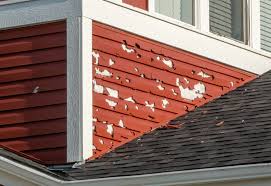
When the roof starts to fail, water can move into fascia boards, soffits, siding, trim, and the wood hidden beneath those surfaces. What looks like peeling paint or warped trim is not always a standalone exterior problem. Very often, it is a sign that moisture has been working down from above. Fixing roof issues early helps stop that chain reaction before the damage spreads and becomes much more expensive to repair.
Where the Trouble Starts
A lot of exterior damage starts in the parts of the roof that already do the hardest work. Areas like the roof edge, flashing, valleys, and openings around vents or other features take on a lot of water every time it rains. When one of those spots starts to fail, water can seep beneath the surface and cause trouble.
That is what makes roof damage easy to miss at first. You may not see a major leak inside, but moisture can still be spreading into the wood along the outside of the house. It can get behind the gutters, run across fascia boards, or work its way down behind the siding near the top of the wall. By the time you notice swollen trim or bubbling paint, the issue has often been there for a while.
A roof is meant to move water away from the house in a steady, controlled way. When that stops happening, the materials below start getting wet repeatedly. Even a small, weak spot can turn into visible exterior damage when it continues to be exposed to moisture.
Why Siding and Trim Are Affected
Siding and trim are right in the line of fire when water starts coming off the roof the wrong way. When everything is working as it should, rain runs down the roof, into the gutters, and away from the house. But when shingles are damaged, flashing comes loose, or drainage gets thrown off, water does not follow that path as neatly.
Instead, it may run over the roof edge or slip behind the exterior pieces that are supposed to stay dry. Trim usually shows it first. Wood can soak up that moisture, start to swell, soften, and eventually rot. Paint may begin peeling earlier than it should, and seams can start to pull apart as the material keeps getting wet and drying out.
Siding can also start showing signs that something is off. The panels near the top of the wall may look stained, warped, or stay damp longer after it rains. That does not always mean the siding is the main problem. A lot of the time, it means the roof above is no longer moving water off the house the way it should.
Flashing Matters More Than Many Homeowners Realize
Flashing does a lot of the quiet work on a roof. It helps seal off the areas where different parts of the roof meet, such as around chimneys, walls, vents, and valleys. Those areas are more vulnerable to leaks, so flashing helps keep water moving in the right direction rather than letting it seep into the seams.
When flashing starts to crack, lift, rust, or pull away, water can get into those gaps much more easily. Once that happens, it may travel down and spread farther than expected. A homeowner might notice damp siding or stained trim on the outside without realizing the real problem is coming from flashing higher up on the roof.
That is why roof repairs should go beyond the most obvious damage. Swapping out a few shingles may help, but if the flashing is still failing, water can keep getting into the same trouble spots. A good repair fixes the path the water is using, not just the area where the damage finally showed up.
Roof Edges and Gutters Work Together
Roof edges and gutters protect the same parts of the home. If one is not doing its job, the other often suffers too. When shingles near the edge loosen, or the underlayment becomes exposed, water can work into the fascia boards and around the gutter attachment points.
Overflowing or clogged gutters make the problem worse. Instead of carrying runoff away, they let water pour over the sides, soaking the trim and siding below. Repeated wetting can lead to staining, mold growth, wood deterioration, and premature paint failure.
In many homes, exterior damage blamed on gutters is actually tied to a nearby roofing issue. The gutter may be showing the problem, but the roof edge may be where it started. That is why a careful repair approach examines the entire drainage path, from the upper roof surface down to the exterior walls.
Small Signs Can Point to Bigger Issues
Homeowners often expect roof failure to be obvious, but the early signs are usually much quieter. A loose shingle, a slight gap in flashing, a soft fascia board, or a patch of peeling paint near the roofline can all signal that water is getting where it should not.
Those details matter because moisture damage tends to spread gradually. Wood does not have to be soaked all at once to begin weakening. If it stays damp over time, it can soften, rot, or attract mold. Siding and trim may continue to look only slightly worn, while the hidden materials behind them are already being affected.
That is why quick action matters. Addressing roof problems early can keep the repair limited to the area where the moisture began. Waiting often means the scope expands beyond roofing materials to include carpentry, painting, insulation, or even interior repairs. A timely roof repair farmington service can help stop that progression before multiple parts of the exterior need attention.
Why Early Repairs Save More Than the Roof
Roof repairs protect the whole exterior envelope of the home. They help preserve the clean line where the roof meets the walls, prevent moisture from reaching decorative trim, and reduce the risk of rot in structural wood near the eaves.
They also help maintain curb appeal. Warped trim, peeling paint, and stained siding can make a home look older and less well-maintained, even when the real issue began with a single roofing failure. Fixing the roof before those signs spread helps homeowners avoid more disruptive repairs later.
Just as important, early repairs help preserve the home’s function. Exterior materials are not there only for appearance. They protect the structure from the weather. Once they begin breaking down from repeated moisture exposure, the home becomes more vulnerable with every storm.
Conclusion
Roof problems do not stay neatly contained to the roof itself. When water slips past damaged shingles, worn flashing, or failing roof edges, siding and trim are often some of the first materials to suffer. What starts as a roofing issue can quickly lead to swollen wood, peeling paint, warped siding, and more costly exterior repairs.
That is why timely roof repair matters so much. Fixing problems early helps prevent moisture from working its way into the outer walls and trim details, which are harder and more expensive to restore. Protecting the roof is really about protecting the entire exterior of the home.


